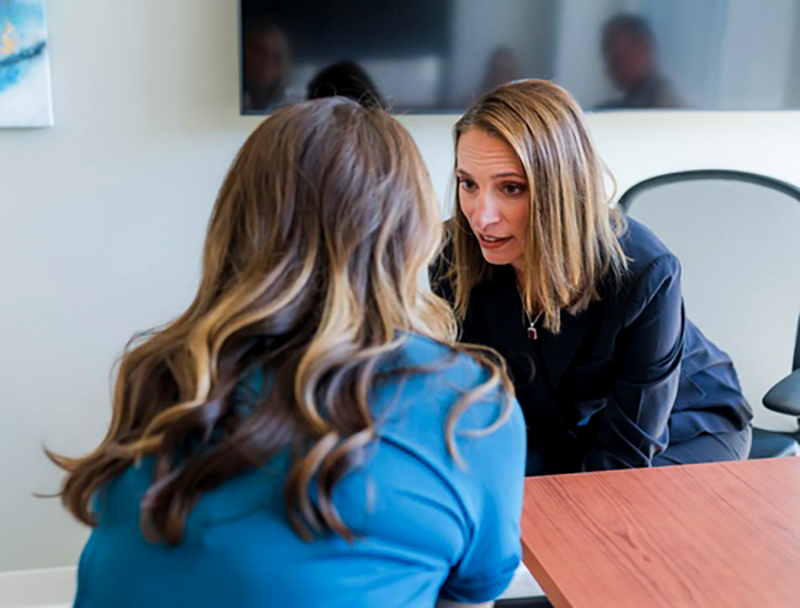

In my practice, the most common type of abuse I see is financial abuse.
Usually, my client is not even aware she's being abused because there's no physical violence happening.
Financial abuse is a form of domestic abuse where one partner controls the other's access to financial resources, limiting their freedom and independence. Recovering from financial abuse can be challenging, but with the right guidance and resources, it's possible to regain financial independence and rebuild your life. Here are essential steps to help survivors of financial abuse recover:
1. Understand Financial Abuse
Financial abuse involves controlling a partner's access to financial resources, sabotaging work opportunities, and limiting access to money. This control can lead to both short-term and long-term impacts on survivors, such as lack of access to funds, restricted freedom, damaged credit scores, and chronic instability.
- Short-Term: Lack of access to funds, restricted freedom and mobility, increased dependence, and legal challenges.
- Long-Term: Damaged credit scores, limited career opportunities, psychological impact, and chronic instability.
2. Conduct an Initial Assessment
The first step in recovering from financial abuse is to assess your current financial situation. This involves:
- Gathering Financial Information: Collect all financial documents, including bank statements, credit reports, and bills.
- Identifying Hidden Assets and Debts: Look for any signs of hidden assets or debts that your partner may have kept from you--look for different accounts on paystubs, transfers to an unknown investment account and review the investment income section of your tax return.
- Understanding Your Financial Situation: Educate yourself about your financial status to make informed decisions. Here's a link to an online tool my clients use to help them get organized.
3. Develop a Strategic Financial Plan
Creating a strategic financial plan is necessary for regaining control over your finances. This plan should include:
- Comprehensive Planning: Outline your financial goals and create a roadmap to achieve them.
- Detailed Budgeting: Develop a budget that tracks your income and expenses to manage your money effectively.
- Rebuilding Credit: Take steps to improve your credit score, such as paying bills on time and reducing debt.
4. Seek Legal and Financial Advocacy
As a Certified Divorce Financial Analyst (CDFA), I can be a primary resource in helping you prioritize your financial health during divorce negotiations. I can:
- Collaborate with Your Attorney: Work together to ensure your financial interests are protected.
- Help You Understand Financial Priorities: Guide you on how to prioritize your financial health during and after the divorce.
5. Overcome Barriers to Financial Independence
Survivors of financial abuse often face several barriers to achieving financial independence, such as:
- Rebuilding Financial Identity: Establish your own financial identity separate from your abuser.
- Education and Skill Deficits: Seek opportunities to improve your financial literacy and skills. Check out my upcoming live and virtual financial education offerings here.
- Systemic Obstacles: Navigate and overcome systemic barriers that may hinder your financial independence.
6. Utilize Available Resources
There are numerous resources available to help survivors of financial abuse, including:
- Financial Therapy Association: Provides financial therapy to help address emotional and financial challenges.
- National Domestic Violence Hotline: Provides support and resources for survivors of domestic violence.
- Dress for Success: Provides professional attire and career support for women.
7. Stay Connected and Seek Ongoing Support
Recovering from financial abuse is a continuous process. Stay connected with professionals and support networks to ensure ongoing guidance and encouragement and don't forget to reach out to me if you'd like to schedule a consult.
By following these steps and utilizing available resources, survivors of financial abuse can reclaim their financial independence and rebuild their lives. Remember, you are not alone, and help is available to guide you through this journey. Email me if you believe you are in an abusive relationship and we can help you get out of this dangerous situation.
Links to external sites are provided for your convenience in locating related information and services. Guardian, its subsidiaries, agents and employees expressly disclaim any responsibility for and do not maintain, control, recommend, or endorse third-party sites, organizations, products, or services and make no representation as to the completeness, suitability, or quality thereof.
Guardian and its subsidiaries do not endorse or have any direct or indirect responsibility with respect to this activity.